

You found a half-open bag of litter in the garage from two moves ago, or you stocked up during a sale and now you’re staring at a small mountain of it. The question: is it still good? The short answer is that most cat litter doesn’t “expire” the way food does — there’s no date after which it becomes dangerous. But it can go bad in practical ways: it stops clumping, smells musty, grows mold, or just stops doing its job. Whether that happens depends almost entirely on the litter type and how it was stored.
Here’s the full breakdown by type, how to store it, and the signs that a bag belongs in the trash.
Pet Travel Items is reader-supported. When you buy through links on this page, we may earn a commission at no extra cost to you.
Shelf Life by Litter Type
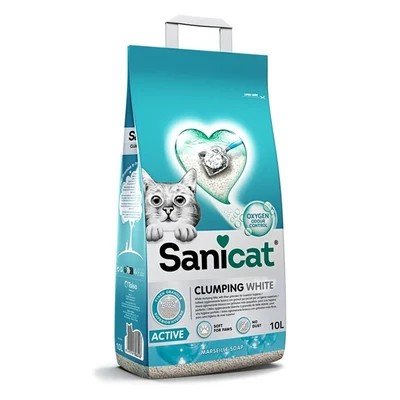
Clumping clay litter (bentonite): effectively indefinite — if kept dry
Clumping clay is just processed mineral. Sealed and stored dry, it doesn’t degrade — a bag from years ago works the same as a fresh one. The enemy is moisture: bentonite activates on contact with water, so a bag stored in a damp garage can partially clump in the bag or absorb enough humidity to clump weakly in the box.
Non-clumping clay litter: same — but fresher is better
Same story as clumping clay: the mineral itself doesn’t expire. One retailer’s FAQ suggests using it within about a year for best performance, which is really about the bag having sat in unknown warehouse conditions, not the clay going bad.
Silica crystal litter: ~2 years unopened
Silica gel is a desiccant — it wants to absorb moisture from the air. Unopened, figure roughly two years of full performance. After that (or once opened and left exposed), the crystals pre-load with ambient humidity and absorb less in the box. Replace it when you notice it’s not drying the box the way it used to.
Natural/biodegradable litters (wood, corn, wheat, tofu, paper): ~2 years unopened, ~6–12 months after opening
Plant-based litters are the most perishable. Unopened, they’re generally good for about two years; once opened, aim to use them within 6–12 months. They’re organic material — in humidity they can grow mold, and their clumping binders (especially starches) break down over time. This is the one category where “old bag” is a real concern.
Scented litters: the scent fades (~18–24 months)
The litter itself is fine, but added fragrances fade — typically noticeably after 18–24 months. An old bag of scented litter becomes unscented litter, which honestly many cats prefer.
How to Store Cat Litter So It Lasts
- Cool, dry, and sealed. The original bag resealed tightly is fine; an airtight container is better. Moisture is the enemy of every litter type.
- Off damp floors. Garages and basements are the #1 place litter goes bad — concrete wicks moisture. Put bags on a shelf or pallet, not directly on concrete.
- Don’t store it outdoors. Sheds and balconies swing in temperature and humidity — that’s how you get a moldy bag.
- Keep the bag closed between fills. An open bag in a humid bathroom is slowly pre-absorbing moisture. Clip it shut or decant into a sealed bin.
Two airtight storage options owners actually use: the IRIS WeatherPro Airtight Pet Food Container, 55 Qt — Amazon’s own listing calls out cat litter storage — and the Gamma2 Vittles Vault, the classic airtight pet-food bin that works just as well for litter.
Signs Your Cat Litter Has Gone Bad
Toss the bag (or the box fill) if you notice any of these:
- It won’t clump. The definitive test for clumping litter — if fresh urine doesn’t form a solid clump within minutes, the litter’s done.
- Musty or moldy smell. Fresh litter smells like nothing (or its added scent). Mustiness means moisture got in.
- Visible mold. White, green, or black spots — most common in natural litters stored damp. Don’t try to salvage it.
- Excessive dust. Old clay litter can break down into finer particles, making a dustier box than usual.
- Discoloration or pests. Any color change, or signs of insects/rodents in a garage-stored bag — throw it out.
Is Expired Cat Litter Dangerous?
Unused, dry clay litter isn’t toxic — Fresh Step’s own packaging notes that unused cat litter poses no toxoplasmosis threat (that risk comes from cat feces, not the litter). The real hazard in old litter is mold: moldy litter can irritate your cat’s respiratory system and yours, especially in kittens, seniors, or anyone with asthma. When in doubt, the $15 bag isn’t worth the vet visit — replace it.
Frequently Asked Questions
Does cat litter expire?
Not like food — there’s no date after which it’s unsafe. But it degrades: clay lasts effectively forever if kept dry, silica lasts ~2 years unopened, and natural litters last ~2 years unopened / 6–12 months after opening. “Expired” litter means it stopped working, not that it’s poison.
Can you use 5-year-old cat litter?
If it’s sealed clay litter stored dry — probably yes. Pour some in a box and test: if it clumps normally and smells like nothing, it’s fine. If it’s a natural litter, or the bag was open in a garage, replace it.
Does clumping cat litter go bad?
The clumping ability can fail if the litter absorbed moisture in storage — that’s the main way clumping litter “goes bad.” A bag left open in humidity may clump weakly or not at all. Sealed and dry, it keeps its clumping power indefinitely.
How long does an open bag of cat litter last?
For clay: as long as it stays dry — reseal the bag. For silica: months, but it slowly absorbs ambient moisture. For natural litters: aim for 6–12 months after opening, and watch for mustiness.
Can old cat litter make my cat sick?
Old litter itself isn’t toxic, but moldy litter can cause respiratory irritation. The bigger risk is behavioral: cats reject boxes with stale, non-clumping, or musty litter — and a cat that won’t use the box finds somewhere else to go.
Should you throw away litter after moving?
If the bag was sealed and stayed dry through the move, no. If it sat in a moving truck, storage unit, or garage for months with unknown humidity, do the clump test — or just start fresh. Litter is cheap; a litter-box boycott is expensive.
Does silica litter expire faster than clay?
Yes — silica is a desiccant that constantly absorbs moisture from the air, so it has a shorter effective shelf life (~2 years unopened) than clay, which is inert until wet.
What’s the best way to store bulk cat litter?
Decant into airtight containers (the IRIS WeatherPro or a Vittles Vault), keep them off concrete floors, and store indoors — not in the garage, shed, or balcony. Original bags resealed tightly work too, but rigid airtight bins are better.
The Bottom Line
Cat litter doesn’t expire — it degrades, and moisture is what kills it. Clay litter stored dry is effectively immortal; silica gives you about two years; natural litters are the perishable ones at 6–12 months once opened. Store it sealed, indoors, off the floor, and do the clump test on any bag you’re unsure about. And if it smells musty or won’t clump, don’t negotiate with it — a fresh bag costs less than the problems a bad one causes.
